
 Choosing electrical sockets is no longer simply a case of deciding between a white or decorative finish. Modern wiring accessories are available in different configurations, finishes and functions, allowing sockets to be selected around the needs of a particular room or property.
Click Mode sockets are part of this modular approach. The Click Mode range provides different wiring accessories and socket configurations that can be used across domestic, commercial and refurbishment projects.
The exact features vary between products, so it is important to check the specification of the particular socket rather than assuming that every Click Mode product has the same functions.
What Are Click Mode Sockets?
Click Mode is a range of electrical wiring accessories designed around a modular approach.
Depending on the particular product, Click Mode accessories can include different socket arrangements, switches and other electrical functions. This allows the chosen accessory to be matched to the requirements of the installation.
For homeowners, landlords and businesses, this can be useful when replacing existing sockets or planning electrical work as part of a refurbishment.
The important point is that Click Mode is a product range rather than one single type of socket. Different models have different specifications, so the product code should always be checked before purchasing.
What Makes Click Mode Sockets Different?
One of the main attractions of a modular wiring accessory range is the ability to choose a configuration that suits the installation.
Depending on the specific Click Mode product, options can include:
- Standard UK switched sockets
- Different gang configurations
- USB charging options
- Different finishes and colours
- Double pole switching on applicable models
- Other specialised wiring accessories
The exact options depend on the individual product.
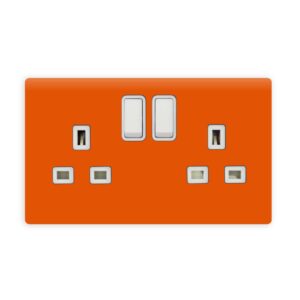
For example, a Click Mode CMA035 is a 1-gang, 13A double pole switched socket with a polar white finish. It should not be confused with a 2-gang version simply because both products belong to the same range.
Checking the product code before ordering can therefore prevent the wrong accessory being purchased.
Modular Design and Flexibility
A modular approach can be useful where a property has different electrical requirements from room to room.
A bedroom may need straightforward power sockets, while a home office could benefit from a socket configuration that also provides USB charging. A commercial workspace may have different requirements again.
This flexibility can make modular wiring accessories suitable for:
- Domestic properties
- Home offices
- Offices
- Rental properties
- Workshops
- Commercial premises
- Refurbishment projects
- New electrical installations
The appropriate socket still needs to be selected according to the electrical circuit and intended application.
Click Mode Sockets for Homes
In a home, sockets are used throughout almost every room.
Replacing an old or damaged socket can also provide an opportunity to consider whether the existing arrangement still works for the way the room is used.
For example, a homeowner may want additional sockets in a home office because computers, monitors and chargers have increased the demand for accessible power.
In a bedroom or living room, a different configuration may be more appropriate.
Where additional sockets are required, an electrician can assess whether an existing circuit is suitable or whether additional electrical work is needed.
Click Mode Sockets for Commercial Premises
Commercial environments often change over time.
Office layouts can be rearranged, equipment can change and workspaces may require different combinations of power and connectivity.
Modular wiring accessories can provide options for these changing requirements, although the electrical installation still needs to be designed and installed appropriately.
For commercial premises, factors such as circuit capacity, existing wiring, equipment loads and the intended use of the area should be considered before adding or relocating sockets.
Socket Replacement and Relocation
Replacing an existing socket and installing a completely new socket are not necessarily the same job.
A straightforward replacement may involve an existing socket being exchanged for another compatible accessory. Relocating a socket, on the other hand, can involve alterations to the wiring and the physical position of the accessory.
Similarly, adding additional sockets may require the existing circuit to be assessed first.
This is why choosing the appearance and features of a socket is only one part of an electrical installation.
What Should You Check Before Buying a Click Mode Socket?
Before purchasing a Click Mode socket, check the individual product specification.
Useful details to confirm include:
- Number of gangs
- Current rating
- Switching arrangement
- Finish and colour
- Physical dimensions
- Back box requirements
- USB or other integrated functions, where applicable
- Whether the product is suitable for the intended location
- Compatibility with the existing installation
This is particularly important when replacing an existing accessory because a product that looks similar may not have the same dimensions or electrical configuration.
Are Click Mode Sockets Safe?
Electrical safety depends on both the product and the installation.
A correctly specified socket needs to be compatible with the circuit and installed appropriately. Features such as shutters, USB charging and double pole switching should only be assumed where they are specifically included in the model being considered.
If a socket is cracked, damaged, loose, discoloured or showing signs of overheating, it should not simply be replaced without considering why the problem occurred.
For example, repeated overheating could indicate an issue with the socket, plug, connection or electrical circuit.
Can Click Mode Sockets Be Used in Older Properties?
They can potentially be suitable for refurbishment projects, but compatibility should be checked before installation.
Older properties can have different wiring arrangements, back boxes and electrical accessories from modern installations. A new socket may therefore require more than simply removing the old faceplate.
An electrician can assess the existing wiring and determine whether the chosen Click Mode accessory is suitable.
Click Mode Sockets and Electrical Design
The socket itself is only one component of a property’s electrical installation.
If you’re adding several new sockets, relocating existing ones or changing the way a room is powered, the wider circuit should be considered.
For example, adding more outlets does not automatically increase the amount of electrical power available from a circuit. The circuit’s existing design and load need to remain appropriate for its intended use.
This is particularly relevant in kitchens, workshops, offices and other areas where several higher-demand appliances or pieces of equipment may be used.
When Should You Use a Professional Electrician?
Changing an electrical accessory may appear straightforward, but unfamiliar wiring can present safety risks.
Professional assistance is particularly appropriate when:
- Adding a completely new socket
- Relocating an existing socket
- Extending an electrical circuit
- Investigating a damaged or overheating socket
- Working with unfamiliar wiring
- Installing sockets as part of a larger refurbishment
- Changing electrical arrangements in commercial premises
Avoid working on electrical wiring if you’re not competent to do so.
A qualified electrician can assess the existing circuit, install the appropriate accessory and carry out relevant checks after the work.
Click Mode Socket Installation Across South Wales
GSP Electricians Ltd provides electrical socket installation, relocation and repair services across its South Wales service area.
Whether you’re replacing a damaged socket at home, adding outlets to a home office or changing the electrical arrangement in commercial premises, the right solution depends on the existing installation and what you need the socket to do.
Areas served include locations such as Cardiff, Pontypridd, Aberdare, Merthyr Tydfil, Mountain Ash, Porth, Newport, Penarth and Cwmbran, along with other surrounding South Wales communities within the service area.
Final Thoughts
Click Mode sockets provide a range of wiring accessory options for domestic, commercial and refurbishment projects. Their modular approach allows different socket configurations and functions to be selected according to the requirements of the installation.
However, not every Click Mode socket has the same features. The specific product code, electrical rating, gang configuration and installation requirements should always be checked before purchasing.
If you’re replacing, adding or relocating electrical sockets, GSP Electricians Ltd can assess the existing installation and help ensure the chosen accessory is suitable for the intended application.
FAQs
What are Click Mode sockets?
Click Mode sockets are electrical wiring accessories within the Click Mode range. Different products offer different configurations, finishes and functions.
Are all Click Mode sockets modular?
Click Mode uses a modular approach across its wiring accessory range, but the exact design and available features depend on the individual product.
Can Click Mode sockets include USB charging?
Some Click Mode socket models include USB charging options, but this is not a feature of every socket. The individual product specification should be checked.
Can Click Mode sockets be installed in older homes?
They may be suitable for some older properties, but the existing wiring, back box and circuit arrangement should be checked before installation.
Can I add more Click Mode sockets to an existing circuit?
Adding sockets may require changes to the electrical circuit. The existing wiring and circuit capacity should be assessed before additional outlets are installed.
What should I do if an existing socket is hot or discoloured?
Stop using the affected socket and arrange for it to be assessed by a competent electrician. Heat or discolouration can indicate an electrical problem that needs investigation.