

Understanding SPD: Sensory Processing Disorder vs. Surge Protection Device
The abbreviation “SPD” can refer to two distinct concepts: Sensory Processing Disorder and Surge Protection Device. Each plays a crucial role in its respective field—healthcare and electrical safety. This blog will delve into both definitions, exploring their significance, symptoms, and functionalities.
1. Sensory Processing Disorder (SPD)
What is it?
Sensory Processing Disorder (SPD) is a neurological condition that impacts how the brain processes sensory information. Individuals with SPD may struggle with everyday sensory experiences, leading to significant challenges in daily life.
The Senses:
- People with SPD may feel overwhelmed by ordinary stimuli, such as:
- Everyday sounds (e.g., a ticking clock or background music)
- Textures (e.g., clothing tags or certain fabrics)
Types of Reactions:
- Hypersensitive: Overreacting to sensory input, like loud noises or bright lights.
- Hyposensitive: Underreacting to sensory stimuli, such as not feeling pain or temperature changes.
Support and Treatment:
- Occupational Therapy is often recommended to help individuals manage their sensory responses. Techniques may include:
- Gradual exposure to sensory experiences
- Sensory integration therapy
- Personalized coping strategies
For further information on SPD and its management, resources like Family Doctor and Cleveland Clinic provide valuable insights.
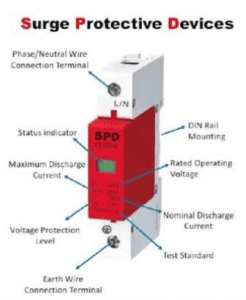
2. Surge Protection Device (SPD)
What is it?
A Surge Protection Device is a critical component in electrical systems designed to protect against voltage spikes that can damage appliances and wiring.
The Purpose:
SPDs safeguard home and commercial electrical systems from abrupt increases in voltage, which can be caused by:
- Lightning strikes
- Power grid fluctuations
How It Works:
When a voltage spike occurs, the SPD diverts excess electricity safely into the ground, preventing damage to connected devices.
Installation:
- SPDs should be installed by qualified professionals inside the main electrical panel or consumer unit to ensure proper protection. Resources like the IET Electrical Guidelines offer detailed installation instructions.
Conclusion
Both Sensory Processing Disorder and Surge Protection Devices serve vital roles in their respective domains. SPD emphasizes the importance of understanding sensory experiences and providing support for those affected, while SPDs focus on protecting electrical systems from potentially damaging surges.